HOW TO POSTS: LIGHTING AND COMPOSITION
what is crop factor
(focal length multiplier)
This post will give you a simple understanding on what crop factor is, how to calculate your camera's crop factor, and includes a crop factor table.
Understanding the terms crop factor and full size sensor will help you when you are considering options on buying or using different lens and camera combinations. The crop factor helps photographers compare the angle (the field of view) any given lens will give them on any given digital camera.
You can get more information about the advantages and disadvantages of using a camera with a full-sized sensors in this post: Full-frame Sensor.
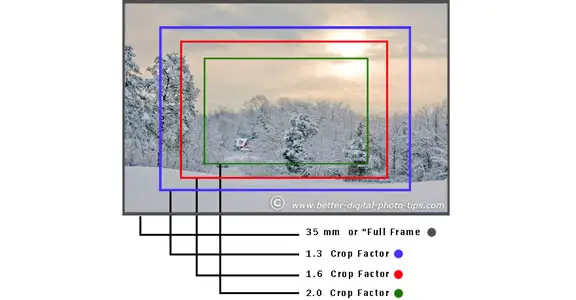
Before the advent of digital cameras with their different sensor sizes, camera and lens manufactures made their cameras to work with 35mm film. It was the most popular and most widely used format in photography for many years. Every regular 35mm camera had the same size area inside their camera that would record the exposure.
Before digital cameras became popular, it was easy to compare different camera lenses, their focal lengths and their zoom ranges. A 50mm lens was considered "normal" and was normal on any other 35mm camera you used it on. Longer lens were considered telephoto and had a narrower, close-up view on any 35mm camera you used it on. Shorter lenses were considered to be wide-angle and show a wider, farther-back view of the scene, also on any 35mm camera. It was simple.
Now, enter some confusion. Digital cameras can be made with any size sensor, with or without a full size sensor, which is a sensor that is the same size as a 35mm film "negative." As it turns out, The most popular sensor size in digital cameras these days is an APS-C format, which has a crop factor of 1.6x.
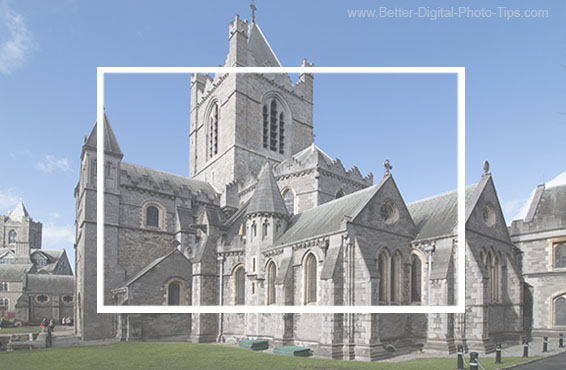 The smaller rectangular area shows what
the smaller "Crop" sensor camera will record on its sensor.
The illustration above show you what would happen if you used the same lens on two different cameras-one camera with a full-frame sensor and with having a smaller-than-full-frame "crop" sensor.
A "crop factor" means that your photograph would have a smaller field of view. In other words, it crops part of the photograph that the lens is capable of including in your photo. It's also referred to as a focal length multiplier, because you're getting the equivalent view that a longer lens (a narrower view) gives you.
As a result – when you fit a lens to a camera with a smaller sensor the lens is often said to have a larger equivalent lens size. Depending on how much smaller the sensor size is than full, the focal length multiplier can be calculated. See the CROP FACTOR CHART below
how to calculate crop factor
The easiest way to calculate crop factor is to use a free online crop factor calculator. This simple tool has a drop down selector where you can type in the exact dimensions of your camera's sensor and it will automatically calculate the number for you. How cool is that?
crop factor chart
The chart below shows you how a certain lens "acts" when it's on a cropped sensor camera. What it really means is it shows the lens focal length that has the same angle of view as a full frame camera would give you.
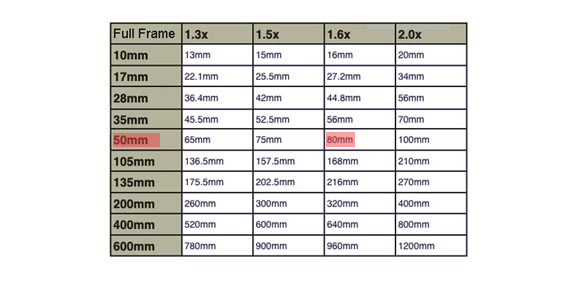
Look at the 2 highlighted spots in the chart above. Using a 50 mm lens on a camera with a full size sensor would give you the same effect of using an 80 mm lens when using that same lens on a camera with a 1.6 xfactor sensor.
That lens would be "normal" on a full size sensor camera and would be a telephoto lens on the camera with the smaller sensor. It is easy to erroneously think in our minds as photographers that putting a certain lens on a smaller crop sensor gives it extra zooming power.
Now what are the pluses and minuses of using a crop sensor camera? Let's take a peek.
Advantages of Crop Sensor Cameras
- Crop sensor cameras are usually (but not always) smaller and lighter than full-frame cameras and they cost less too.
- You can use smaller lenses on crop sensor cameras. Smaller lenses are easier to carry and cost less too.
- You get deeper depth of field with smaller, crop-sensor cameras. That's great when you want everything in your composition to be in focus.
Disadvantages of Crop Sensor Cameras
- Smaller crop-sensor cameras have tiny pixels embedded and crammed into a smaller area than a full-frame sensor. Image quality is excellent, but not as good as a full-frame sensor camera.
- You get deeper depth of field with smaller, crop-sensor cameras.That's not as good if you want to intentionally blur the background distractions and emphasize your subject.
Depth of field in photography is greater with smaller sensor cameras. In cell phone cameras for instance, the physical dimensions of the sensors are so small that they inherently have a very large range of things in focus compared to a full-sized sensor camera.
Camera buying advice. A guide to help you chose the right camera. Don't get fooled by the megapixel myth. Stay inspired about photography. Shoot more and watch less TV.


ABOUT BRUCE LOVELACE
Bruce is the publisher of this website. He is the author of the book "Improve Your Photography Instantly." Read more on Bruce on his Bio Page. He's been known as The Traveling Photographer ever since 1994. Read more about this website.
View some of Bruce's photos on Instagram. Visit the Facebook Page. Watch him on YouTube. Bruce runs photo workshops for kids and adults, and provides one-on-one photography coaching.
Digital Photography Education Location on Google My Business
You might like these
Definition of Tripod - What is a Tripod For And Guide to The Best One
Here is the most basic definition of tripod, What is a tripod and which type of tripod and tripod head to consider
What's a Full Frame Sensor? Advantages. Drawbacks. Why Use Full Frame?
Do you need a full-sized sensor? Here are the advantages and disadvantages of having a full frame sensor DSLR. How big is a full frame and why are they so expensive?
Digital Camera Definitions. What is a Digital Camera. Types of Cameras
Definition and types of different digital cameras. Beginners guide to meanings and explanations of digital camera terms. Links to digital camera posts to help you understand.
What is APS-C Camera Format. The Advantages and Disadvantages of APS-C
What does APS-C mean and the surprising reasons pro photographers use the APS-C camera format. Helpful guide to the pluses and minuses of a smaller sensor format
What Is a Pixel in Photography. What Really Matters Most About Pixels.
Understanding what is a pixel is easy after you read this. What's more important than the definition of pixel is how many you need
What is Color Temperature in Photography. (These Examples Will Help)
Simple definition of What is Color Temperature in photography with examples. How to set your camera for color temperature and how it effects your photo.
Search for a new topic on this site:
Recent Articles


-
7 Creative Ideas on Portrait Poses of an Individual For You To Copy
Aug 18, 25 07:53 AM
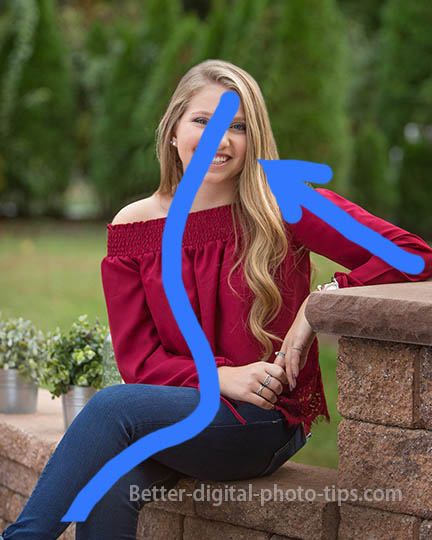 Posing the individual. Copy these 7 simple portrait poses for individuals and your portraits will look like a professional took them.
 -
8 Simple Group Photography Portrait Tips to Copy And Shoot Like a Pro
Aug 18, 25 07:50 AM
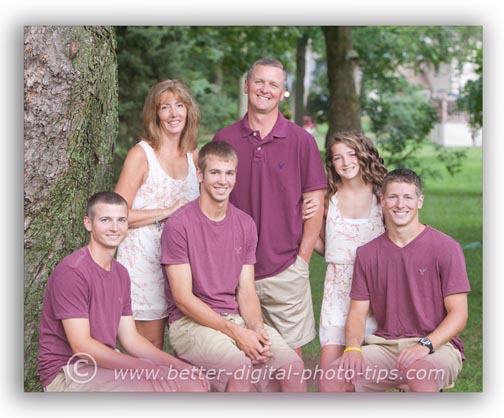 Written by a professional portrait photographer, these group photography portrait tips will instantly improve your group photos.
 -
Are Tripod Quick Release Plates Universal. Understanding Compatibility
Aug 16, 25 07:17 PM
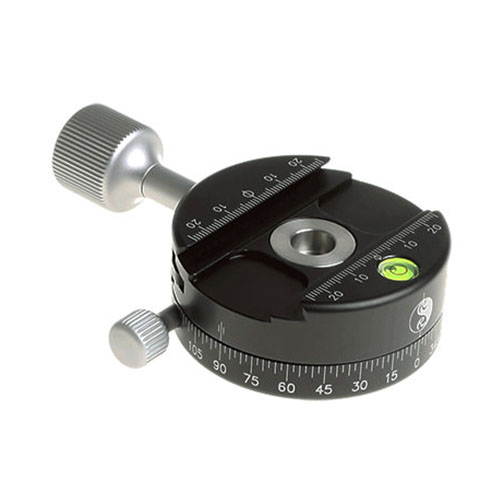 They're not all the same. Here's what you need to know about tripod quick release plates. Are they universal. Article explains how they work.
 -
Digital Camera Memory Card Reviews - How To Choose The Best Card
Aug 16, 25 08:34 AM
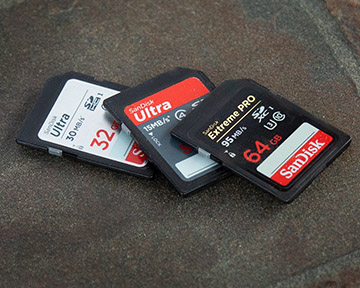 What do you need to know about digital camera memory cards and memory card reviews? What size, how fast and which brand. This simple guide will help you.
 -
Best Toy Cameras For Kids - Are Kids Cameras Really Any Good?
Aug 14, 25 12:24 PM
 What about toy cameras for kids? Should you get a fun toy, a decent camera, or maybe you can get two for one.
 -
10 Tips: Helping Kids Take Better Photos-Advice From a workshop leader
Aug 02, 25 12:30 PM
 10 Tips to Help Your Kid Take Amazing Photos. Simple advice from a youth photography workshop leader on how to teach your child to take better photos.
 -
5 Photography Projects For Kids and Parents-You'll Have A Blast Doing
Jul 31, 25 10:49 AM
 Inspire your child with these 5 unique photography projects for kids, parents and homeschoolers have a blast doing together
Improve your photography instantly. Get the 2 most important chapters of my photography book for free.