HOW TO POSTS: LIGHTING AND COMPOSITION
how cameras work For Beginners
WRITTEN BY: BRUCE LOVELACE
UPDATED: JANUARY 17, 2024
 The author with two cameras
A basic understanding of how cameras work will help you take better pictures. This article will help you grasp the basic concept of how cameras capture the right amount of light and turn that light into a photo.
It will take just a minute for you to see how cameras operate work. That will help you understand camera settings and how they affect exposure. Your camera will become an easier tool for you to use.
Advances in lens design, amazing improvements in compacting memory storage and manufacturing digital sensors have completely changed how digital cameras work, but the basic parts are still the same.
The Basic Camera
There are many, many different cameras and designs with different features and functions to choose from, but the basic way they work is the same.
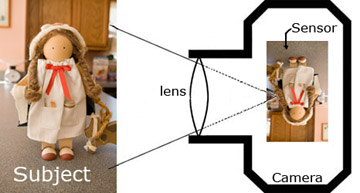 How A Camera Works
- The lens focuses the light onto the sensor automatically or manually.
- The shutter opens for a specific amount of time.
- The right amount of light hits the sensor (auto-exposure).
- The shutter closes.
- The image is stored on your memory card.
Why How A Camera Works Is So Important
Now here's what you need to know: The amount of light that reaches the sensor is controlled by how long the shutter is open (the shutter speed) and how wide the opening (called the aperture) in the lens is. Think of it like a door to a windowless dark room opening briefly and then shutting.
A larger doorway (a bigger aperture) will let in more light into the room (the camera) than a small door. Also, if you leave the door open longer (using a slower shutter speed) you'll let in more light.
The aperture is built within the lens just like the pupil in your own eye. It reacts to the amount of brightness in the scene before you. For more on this see this helpful article on Aperture. For more on shutter speed, see this helpful article: Shutter Speed. Now here's why these two factors are so important.
BLUR. If the shutter speed is too slow or the shutter is open too long, your photo will be blurry or unsharp. This may be caused by the camera or your subject moving. If you have a very short exposure or a high shutter speed, your picture will be sharp even though your subject or the camera moved during the exposure.
FOCUS. If the aperture or opening is small the range of things in focus is big. Things that are close to the camera AND things that are far from the camera will be in focus and sharp.
If the lens aperture is wide open or large, the range of things in focus, called depth of field will be small. Here is the unusual part: A small number for the aperture, such as f2 or f4 means a big aperture (opening).
A large aperture number such as f/11 or f/16 is actually a small opening or aperture. This is because these "f" numbers actually represent fractions. So, 1/2 (f/2) is actually a larger size than 1/16 (f/16).
Read the above section a 2nd time. It will really help you.
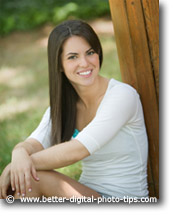
Wide open apertures (narrow depth of field) is used for portraits when we want the subject to be sharp and the background to be out of focus.
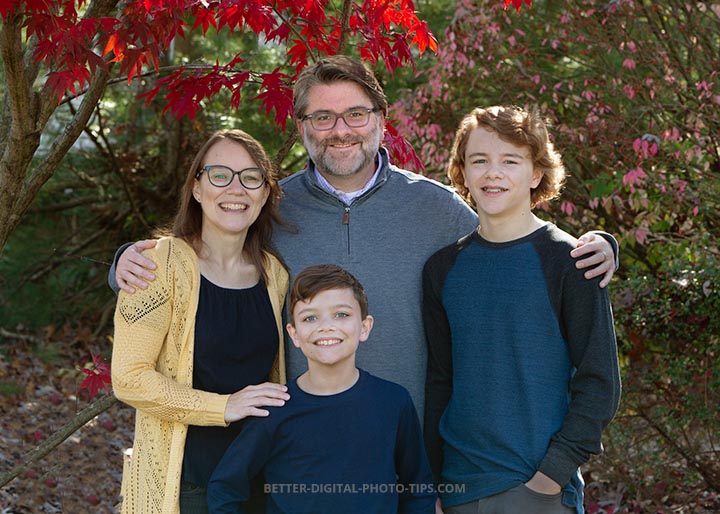
In this portrait, I set my camera aperture to f/2 and the camera automatically set the shutter speed.
This small number means the lens was "wide open" and gave me the desired "narrow" depth of field. The background is pleasantly out of focus.
The auto exposure mechanism in the camera works by adjusting the shutter speed, aperture or both. How digital cameras work with the huge amounts of data is amazing. With digital photography, the camera will "process" the information with software and will be stored in the camera's memory as a picture.
With film cameras, after the film was exposed to the light, the information had to be processed with chemicals to create either a negative or if it was "slide" film the process made it into a "positive" image.
The correct photo exposure is determined by how long (the shutter speed) and how wide open the lens opening is (the aperture). Most shutter speeds range from several seconds to as fast as 1/8000 of a second with some high-end DSLR cameras.
how cameras work with iSO settings
Understanding how cameras work with respect to the ISO setting on your camera will also be helpful. With the automatic exposure system of the camera, the amount of light (how bright a scene is) and the sensitivity of the sensor (it's ISO setting) will effect what shutter speed and aperture the camera uses.
High ISO settings like 400 or 800 means the sensor is more sensitive to light. That is to say, it doesn't need as much light for a good exposure. High ISO settings then are good for low light shooting situations or when you want a real fast shutter speed.
Video on how Shutter Speed, Aperture and ISO Are Related
Here is a video that does a great job of explaining how cameras work using aperture, shutter speed, and ISO. It's done by Tony Northrup, a well known photography educator. He does a great job of showing you, not just telling you.
At 14 minutes long. I know that's forever in today's world, but it's really worth watching. The video is long enough to give you a solid understanding by showing you the results of changing these 3 different camera settings and how they affect your pictures. It's interesting enough and short enough that you won't get bored.
Summary
I hope you found this explanation of how cameras work helpful. Understanding how shutter speed, aperture, and ISO work together on your camera will help you with all of your photography. It's my goal to demystify photography. For more information, see the links directly below or scroll down to more helpful articles below my signature.
links related to how cameras work
Photo exposure. For a more detailed explanation of how shutter speed, aperture and ISO settings all affect the exposure of your photograph read this article titled: Photo Exposure.
Focus Modes. Digital Cameras usually have several focus modes. To better understand the options on getting the subject of your photograph well focused, read this article: Focus Modes
Camera Buying Guide. If you are looking to buy a new digital camera, it will be worthwhile for you to read the Digital Camera Buying Guide first.
Understanding how cameras work is good knowledge to have. If you can understand shutter speed and aperture, the process of how photographs are created, you will be able to make better decisions on what camera settings to use.

ABOUT BRUCE LOVELACE
Bruce is the publisher of this website. He is the author of the book "Improve Your Photography Instantly." Read more on Bruce on his Bio Page. He's been known as The Traveling Photographer ever since 1994. Read more about this website.
View some of Bruce's photos on Instagram. Visit the Facebook Page. Watch him on YouTube. Bruce runs photo workshops for kids and adults, and provides one-on-one photography coaching.
Digital Photography Education Location on Google My Business
You might like these
Which is Sharper, Raw vs JPG? Is Raw Better Than JPG. Simple Answer
You want sharper photos so you need to know which gives you sharper and better photos. Article reveals a surprising suggestion.
What is a Histogram in Photography And How It Can Be Helpful For You.
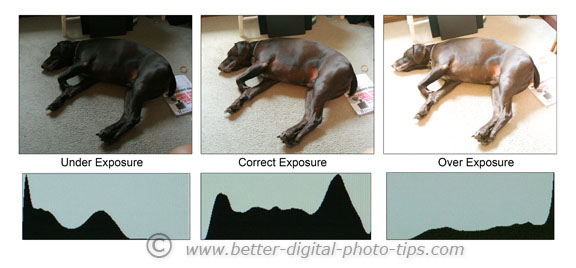
Digital photography histograms. Simple explanation of what is a histogram and why you should even care.
Camera Lens Basics - Helpful Guide to Understanding Camera Lenses
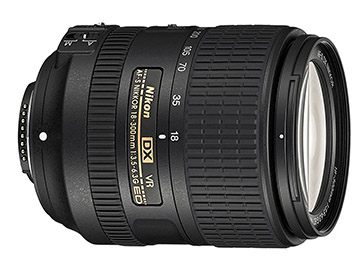
Ultimate guide to understanding Digital Camera Lenses-Lens Types-Specialty Lenses and Camera Lens Basics
What is Auto ISO? Tips On When to use it and When Not to Use Auto ISO
Auto ISO Simple Guide. Questions and answers on when to use AUTO ISO and when not to use it. How you can use it to improve your photography.
Recent Articles


-
5 Basic Photo Editing Tips For Beginners. Make Your Photos 10X Better
Mar 28, 24 12:22 PM
 Easy ways to improve your pictures. These Top 5 photo editing tips for beginners are the ones to do first to turn your average photos into winning photos
 -
How Professional Photographers Do Digital Photo Editing-For Beginners
Mar 28, 24 11:47 AM
 Unlock Pro Secrets: A Look Inside a Professional Photographer's Digital Editing Workflow This is how the pro photographers do their digital photo editing.
 -
Definition of Aperture. Why You Need To Know How it Affects Your Photo
Mar 28, 24 11:13 AM
 It affects sharpness and what's in focus. The definition of aperture that digital photographers should be aware of and how it affects your photographs
 -
9 Simple Examples of Depth of Field To Help You To Take Better Photos
Mar 27, 24 10:47 AM
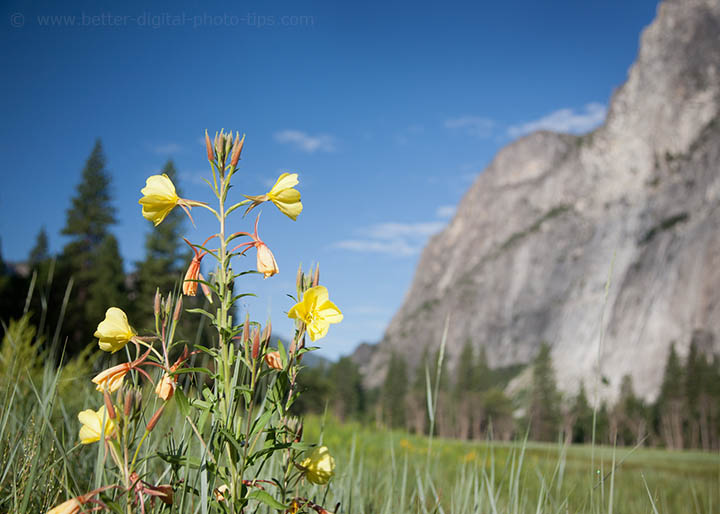 Check these out examples of depth of field. It's a great way for you to generate ideas for great photos.
 -
No More Blurry Faces! Family Photo Hacks for Sharp & Stunning Photos
Mar 26, 24 08:08 AM
 The right camera settings and a little planning will give you stunning sharp family portraits. Helpful guide to sharp family portraits
 -
How To Do Baby Poses (10 Classic Poses For Babies That You Can Copy
Mar 22, 24 07:17 AM
 Learn heartwarming newborn baby posing. Simple baby poses you can copy. 10 Easy to copy portrait photography poses of babies
Improve your photography instantly. Get the 2 most important chapters of my photography book for free.

